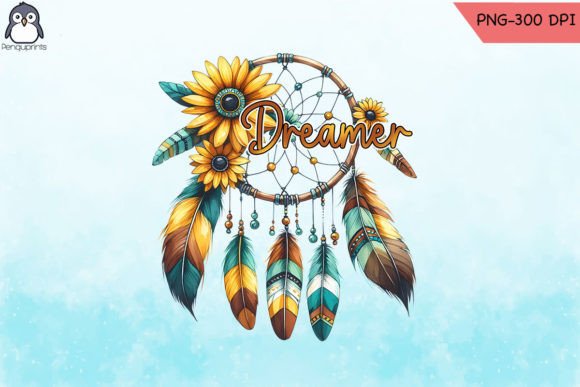
Indian Feather Dreamcatcher PNG Review
As a designer who spends more time looking at stitch density charts than actual art, I approach every new file with a mix of optimism and skepticism. When Indian Feather Dreamcatcher PNG landed in my review queue, I didn’t just see a pretty image; I saw a potential product waiting to be stitched. For those of us in the crafts and graphics sectors, especially those running Etsy shops or small boutique brands, the difference between a good design and a great one often comes down to execution. This review breaks down how this specific digital embroidery file performs when moved from the screen to the hoop.
First Impressions and Visual Personality
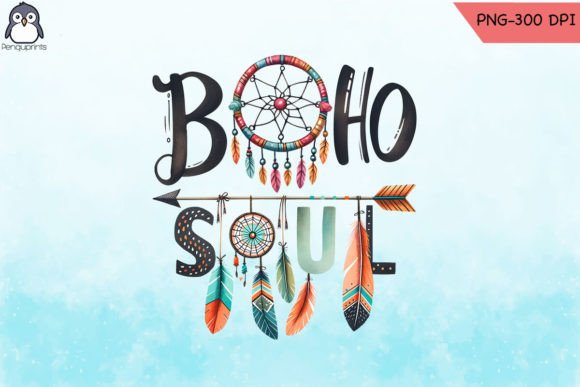
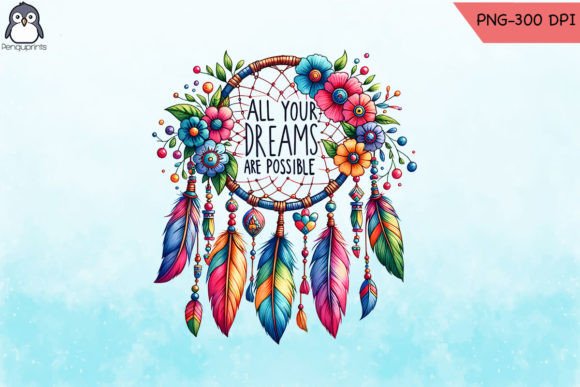
The moment you open the file, the mood is immediately established. It isn’t just a generic dreamcatcher; the "Indian" descriptor suggests a specific aesthetic—likely featuring intricate beadwork patterns, bold geometric borders, and feathers that feel organic rather than stiff. From a design perspective, this visual personality is crucial. It evokes a sense of bohemian spirituality and handmade warmth, which translates exceptionally well into tangible products.
What strikes me first is the balance of detail. In embroidery, too much detail can turn into a muddy mess of thread, while too little can look flat. This design seems to strike a middle ground, relying on strong outlines and distinct elements that will hold their shape after stitching. The layout feels spacious enough to breathe but detailed enough to justify the price point for a handmade product. It has that "shelf appeal" factor that stops a browser’s scroll on social media, making it an excellent candidate for printable mockups and design assets.
Real-World Application: The Custom Tote Scenario
To truly test a design, you have to imagine it on a real customer. Let’s say I am preparing a batch of custom embroidered tote bags for a local craft fair. I choose Indian Feather Dreamcatcher PNG as the centerpiece. Why? Because the vertical orientation of most dreamcatcher designs aligns perfectly with the center panel of a standard canvas tote.
When I visualize the stitching process, I consider the fabric texture. Canvas is sturdy, which means I can use a cut-away stabilizer to ensure the design doesn’t pucker over time. The feathers, likely utilizing a combination of satin stitches for the edges and fill stitches for the body, would pop against the natural beige or black canvas. Customers love personalization, so adding a simple name above the dreamcatcher creates a cohesive custom apparel item that feels both trendy and timeless. This isn’t just a sticker on a bag; it’s an integrated part of the product, elevating it from a generic store-bought item to a personalized gift worthy of a higher price tag.
Performance Across Different Projects
This embroidery project versatility is where the file truly shines. While the tote bag is a strong contender, the design adapts beautifully to other mediums. Here is how I see it performing in various scenarios:
- Sweatshirt Embroidery: The soft, cozy nature of a sweatshirt pairs well with the spiritual vibe of the dreamcatcher. Placing it on the back yoke or the front left chest creates a subtle yet stylish statement piece. The thick fabric supports heavier stitch densities, allowing for rich thread colors.
- Baby Embroidery: Imagine this on a onesie or a nursery wall hanging. The soft curves of the feathers are gentle and non-threatening, making it perfect for baby clothes. However, here we must be mindful of thread choices—pastel silks or matte cotton threads would enhance the innocence of the design.
- Embroidered Patch: Converting this into a patch allows for immense flexibility. You could attach it to denim jackets, backpacks, or hats. The clean lines of the design mean it will hold up well even if the edges are slightly trimmed during the finishing process.
- Kitchen Towels and Aprons: For the home decor market, this adds a touch of whimsy. A white tea towel with this design in earth tones (terracotta, sage, gold) fits perfectly with current interior trends.
Where Caution Is Required
No design is without its challenges, and honest evaluation requires pointing out where this file might struggle. If you attempt to stitch this on a highly textured fabric like bouclé wool, the details will get lost. Similarly, on thin or stretchy fabrics, such as lightweight jersey knit, you risk distortion unless you use a heavy-duty water-soluble stabilizer and possibly a backing layer.
I also advise caution with small hoop sizes. If the original design contains tiny bead-like details or very fine feather barbs, reducing the size significantly may cause these elements to merge into indistinguishable blobs. Always inspect small details before committing to a run. Furthermore, on dark fabrics, the contrast becomes critical. If the design relies heavily on light-colored threads for definition, it may disappear against a black background. Testing in black and white mockups is a smart way to verify readability before you start threading your machine.
Practical Designer Notes for Success
To get the best result from this digital embroidery file, follow these practical steps:
- Test on Scrap Fabric: Never trust a file blindly. Stitch a sample on the exact fabric you plan to sell. Check for puckering, thread tension, and color accuracy.
- Review Stitch Density: Ensure the stitch density is appropriate for your fabric. Too dense, and you’ll break needles; too sparse, and the fabric will show through.
- Confirm Hoop Size: Verify that the design fits within your machine’s maximum hoop dimensions, leaving room for any necessary text additions.
- Check Licensing: Before selling finished items, confirm the license terms. Some files allow commercial use for limited quantities, while others require a separate business license.
- Use Proper Stabilizer: Match your stabilizer to your fabric weight. A heavy tear-away might leave residue on delicate items, while a light cut-away might be overkill for stable wovens.
Final Verdict on Value and Appeal
In the competitive world of Etsy seller goods and small shop products, visual clarity and emotional resonance are key. Indian Feather Dreamcatcher PNG delivers on both fronts. It offers a professional, polished look that builds customer trust. When a buyer sees a crisp, well-executed embroidery design, they perceive higher value in the finished product.
The design’s ability to bridge the gap between commercial embroidery efficiency and artistic expression makes it a valuable asset. Whether you are creating a single personalized gift for a friend or mass-producing apparel decorators inventory, this file provides a reliable foundation. It respects the craft while offering creative freedom. For designers looking to expand their catalog with items that feel authentic and spiritually grounding, this is a solid addition. Just remember: the file is only half the battle. Your choice of thread, fabric, and finishing techniques will ultimately determine the success of the final piece.